When to Upgrade Your Thermostat: Smart Thermostats vs. Traditional Controls in Charlottesville Homes
A home heating and cooling system is only as good as the instructions it receives. In Central Virginia, where an autumn morning can begin with dense, chilly fog off the Rivanna River and end in a hot, humid afternoon, your HVAC system relies entirely on the thermostat to make sense of the changing weather. Yet, while Charlottesville homeowners invest heavily in high-efficiency heat pumps or modern furnaces, the wall controller is often treated as an afterthought. Many properties in neighborhoods from Downtown to green, suburban Albemarle County spots still use outdated, non-programmable sliders or early digital boxes that are fundamentally incompatible with modern energy efficiency standards.
Running a sophisticated, multi-stage heating and cooling unit with an obsolete thermostat is a recipe for high utility bills. Old controllers struggle to read temperatures accurately, resulting in uneven comfort levels and unnecessary wear on your equipment. Upgrading this small device is one of the fastest, least disruptive ways to regain control over your home environment and lower your monthly operating expenses. Albemarle Heating & Air specializes in auditing residential controls, ensuring that your home automation aligns with your climate goals. This guide cuts through the technical clutter to detail when an upgrade is necessary and how modern smart technology changes your daily home management.
The Technology Gap: Manual Controls vs. Climate Automation
The divide between traditional thermostats and modern smart controllers comes down to a choice between manual labor and automated intelligence. Understanding how these systems interpret temperature reveals why older hardware actively drains your monthly budget.
Standard Manual and Early Programmable Devices
Fixed Mechanical Sensors: Old-school thermostats utilize mechanical bi-metal strips or simple thermistors that degrade over time, leading to temperature calibration drift where the actual room temperature is several degrees off from the wall display.
Rigid, Unforgiving Programming: Early programmable models feature tiny, non-backlit screens and complex button sequences that make setting a schedule frustrating. Once set, these schedules cannot adjust for unexpectedly long days at the office, weekends away, or sudden changes in local weather.
One-Way Communication Paths: Traditional units operate as blind switches. They simply yell instructions to turn on or off at your HVAC system, with no ability to monitor system airflow, track historical energy consumption, or report diagnostic issues.
Smart Connected Automation Centers
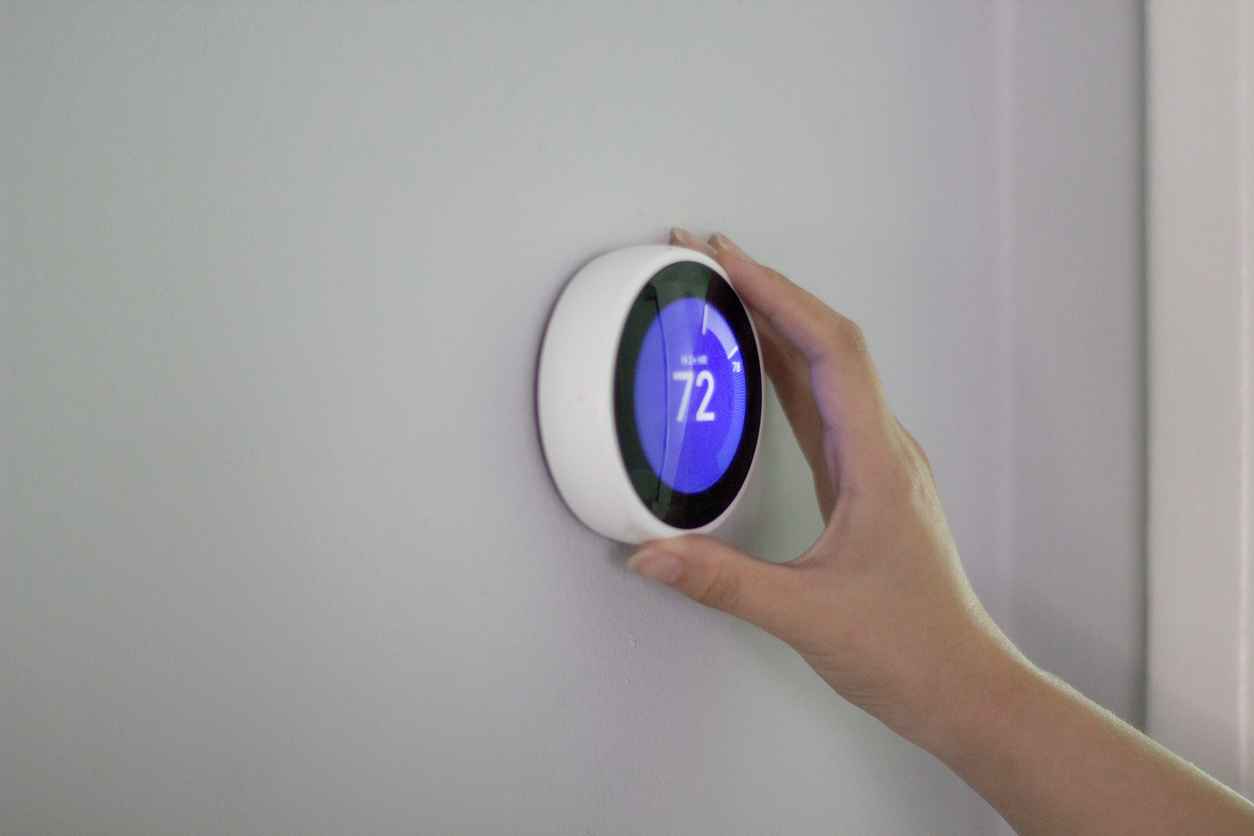
Wi-Fi and App-Based Operation: By anchoring directly to your home wireless network, a smart thermostat shifts control to your smartphone. You can alter room temperatures, check system statuses, and adjust holiday schedules whether you are sitting on the couch or traveling out of state.
Automated Habit Tracking: Rather than forcing you to program a rigid timeline, advanced smart models study your daily movements and adjustment patterns. Within a week, the device creates an accurate, self-correcting schedule that drops energy consumption the moment you leave the house.
Proactive System Diagnostics: These automated units act as a monitoring hub for your entire property, tracking filter cleanliness, alerting you to abnormal equipment cycling patterns, and sending warnings if indoor temperatures drop dangerously low during a freeze.
Key Indicators That Your Current Thermostat Needs an Upgrade
Wall controllers rarely fail completely overnight. Instead, they decline gradually, sending small signals that they are no longer communicating accurately with your indoor air handler or outdoor condenser. Recognizing these early red flags protects your system from running unnecessary, high-wear cycles.
Signs of Malfunction and Obsolete Calibration
Frequent Short Cycling Behavior: If your furnace or heat pump shuts down just a few minutes after starting, or toggles on and off rapidly, the internal temperature sensor in your thermostat may be failing. A miscalibrated device can register rapid, false temperature jumps, triggering safety shutdowns that stress your HVAC compressor.
Drifting Temperature Discrepancies: When your home feels uncomfortably hot or freezing despite what the digital display reads, the internal calibration has slipped. You can verify this by hanging a standard thermometer next to the wall plate; a variance of more than two degrees means the controller is misreading the room.
Unexplained Utility Bill Surges: An obsolete thermostat often fails to accurately signal when your home has reached the desired temperature, causing your climate system to run long past the necessary comfort point and quietly inflating your monthly power consumption.
The Hidden Expiration of Mercury Switches: Many historic properties across Charlottesville still utilize older round dial controllers containing liquid mercury glass ampoules. These mechanical pieces lose accuracy as internal springs warp with age, and they pose a hazardous waste risk if the glass cracks.
Energy and Financial Savings: The Ultimate Smart Advantage
Central Virginia seasonal weather transitions require an agile heating and cooling strategy. Transitioning from traditional wall controllers to automated smart technology directly impacts your household budget, cutting out the energy waste that occurs when a house is conditioned completely empty.
Financial Returns and Local Utility Incentives
Eliminating Standby Cooling and Heating Waste: Traditional thermostats maintain a flat, locked temperature all day long unless you manually adjust them. Smart devices utilize automated geofencing or occupancy sensors to notice when the house is empty, automatically resetting temperatures to an eco-friendly baseline while you are away.
Intuitive Adaptation to Local Elements: Advanced controllers track real-time local weather forecasts over Wi-Fi. If a humid summer afternoon in Charlottesville suddenly drops into a cool evening breeze, the system scales back cooling production ahead of time to conserve power.
Capitalizing on Local Financial Rebates: Upgrading to a modern energy-conserving model opens access to instant financial returns. Homeowners utilizing local utilities can take advantage of targeted programs, such as the Charlottesville Gas smart thermostat rebate or the Dominion Energy Smart Thermostat Rewards program, which offer direct financial credits for upgrading your setup.
Modern Features That Transform Daily Living
Upgrading from a traditional wall slider to a modern connected system changes more than just your monthly heating and cooling costs. It fundamentally changes how you interact with your living environment, shifting climate control from an active household chore into a background automation process.
Lifestyle Enhancements and Environmental Control
Zoned Environmental Monitoring: Many advanced smart controllers support wireless remote sensors that you can place in separate rooms. If your second-floor master bedroom always feels significantly warmer than your main-floor living room, the system averages the readings or prioritizes the bedroom comfort profile at night, ending regional home temperature imbalances.
Intuitive Smartphone Operation: You no longer have to stumble down a dark hallway in the middle of the night to adjust the temperature in a cold house. Smartphone applications put full system scheduling, diagnostic updates, and real-time indoor climate tracking directly into your hand, whether you are in bed or commuting back to town.
Active Indoor Humidity Tracking: High humidity during Central Virginia summer stretches makes air feel hotter than the actual temperature. Smart thermostats actively measure indoor moisture levels, adjusting your cooling system run times or triggering dedicated dehumidifiers to maintain a crisp, sweat-free indoor environment.
Maintenance and Air Quality Safeguards: Instead of relying on vague calendar reminders, modern controllers track the cumulative hourly run time of your blower fan, sending a precise alert when your air filter is dirty. They can also warn you about abnormal furnace behavior before a minor mechanical glitch turns into an expensive system breakdown.
Explore Your Comfort Upgrades with Albemarle Heating & Air
Finding a thermostat that aligns with your daily habits and integrates smoothly with your home mechanical wiring requires licensed, professional insight. The specialized technicians at Albemarle Heating & Air understand the architectural layouts and utility landscapes of Central Virginia properties. We provide detailed diagnostics on your current controls, assist you in navigating localized utility incentives, and deliver a flawless installation that unlocks the full energy-conserving potential of your home comfort grid.
What a pleasure it was turning on the shower last night and having immediate hot water! Also, using the much more comfortable and clean toilets! Once again, we are very pleased with the work your crew did!
I love Albemarle Heating and Air. Every single person we have ever had has been polite, concerned, efficient and knowledgeable. We have had them service both our furnace and our air conditioner and I felt good about every interaction ...
Albemarle Heating and Air has been servicing our HVAC for going on 10 years now. Always reliable, easy to deal with, and professional. Highly recommend!!
The technicians are always punctual, polite, and knowledgeable and take the time to explain their recommendations.
The technician was personable and knowledgeable on the repair. Great experience. I would use AH&A again!
The technician conducted a routine checkup of my HVAC system. He called me before he arrived, early in the four-hour window. He made sure to wear coverings on his feet. Told me what he was doing as he worked ...
Proudly Serving CHARLOTTESVILLE AND SURROUNDING AREASAlbemarle County | Fluvanna County | Louisa County | Nelson County | Augusta County | Madison County | Greene County | Orange County