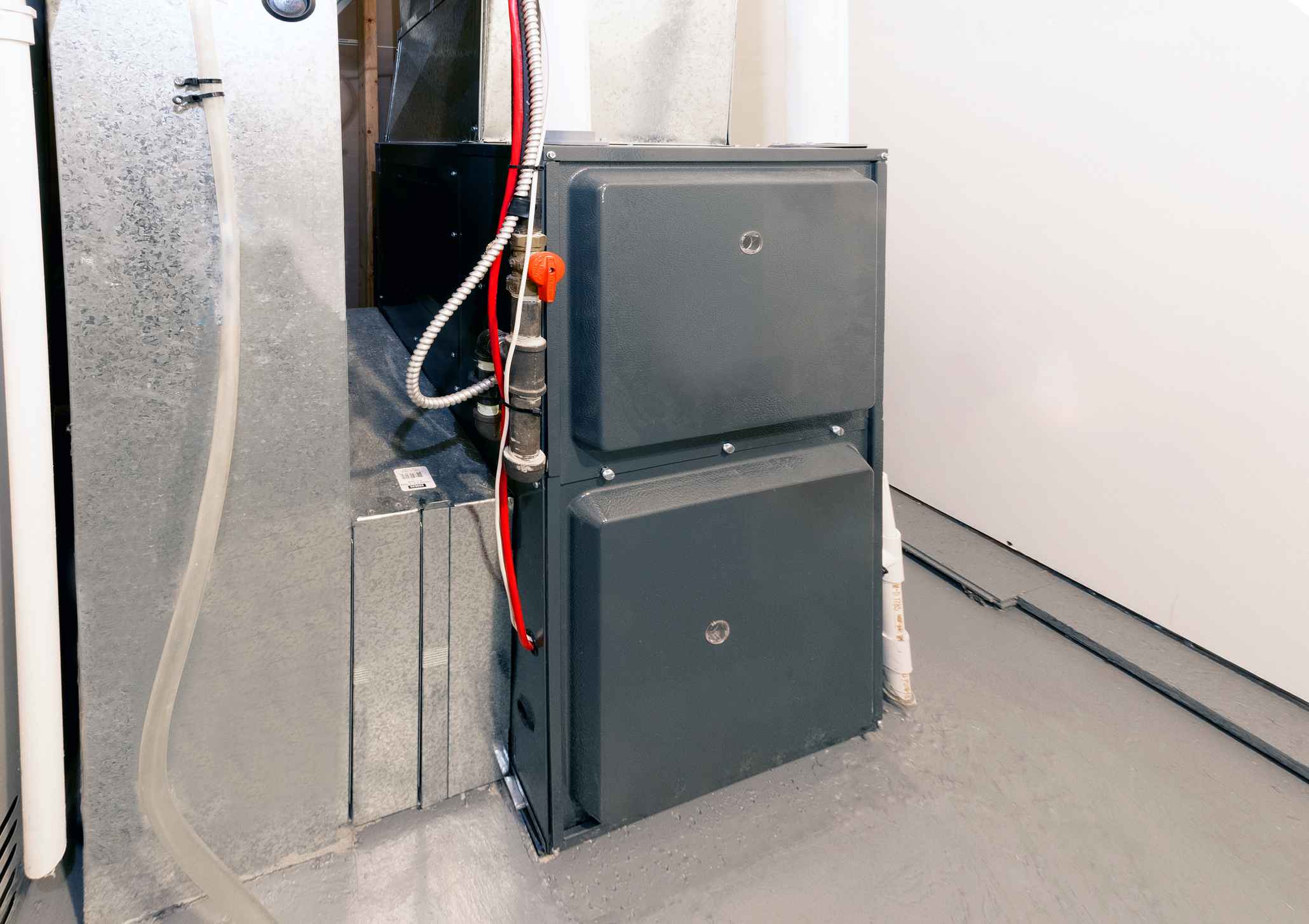
Heat Pump vs AC: Which System Works Best in Central Virginia
As homeowners in the Piedmont region know, Central Virginia weather is anything but predictable. We live in a humid, subtropical climate where a July afternoon in Charlottesville can feel like a steam room, and a January night can bring a biting frost from the Blue Ridge Mountains. This atmospheric tug of war makes choosing the right heating and cooling system a critical decision for your comfort and your monthly budget. For decades, the standard choice was a central air conditioner paired with a gas furnace. However, as we move through 2026, the modern heat pump has emerged as a formidable challenger that is specifically designed to handle the moderate but variable temperatures of Albemarle County.
At Albemarle Heating & Air, we believe that the best system for your home depends on more than just the square footage of your living room. It involves understanding how each technology interacts with Virginia’s high humidity and how new 2026 energy regulations affect your long-term costs. Whether you are building a new home in Crozet or upgrading a historic property in downtown Charlottesville, the choice between a heat pump and a traditional AC involves weighing upfront investments against decade-long savings. This guide provides a localized look at which system works best for our unique terrain, the latest efficiency standards, and the significant financial incentives available to Virginia residents this year.
How Each System Handles the Charlottesville Climate
Central Virginia presents a specific set of challenges for any HVAC system. Our summers are characterized by an average relative humidity that often exceeds 70 percent, making moisture removal just as important as temperature reduction. During the winter, our temperatures often hover in the 30s and 40s, though we certainly experience deep freezes that test the limits of any equipment.
The Specific Needs of the Piedmont Region
Humidity Control: Standard air conditioners are excellent at removing moisture, but modern variable-speed heat pumps are now equally capable of dehumidifying your home during a sticky August week.
Winter Versatility:Heat pumps thrive in our moderate winters. Because it rarely stays below freezing for weeks at a time, a heat pump can efficiently pull heat from the outdoor air to warm your home for most of the season.
The Temperature Balance Point: Traditional AC systems rely on a furnace for heat. In contrast, a heat pump reaches a balance point where it may require a backup heat source during an intense Virginia ice storm or a rare sub-zero night.
Understanding these climate nuances is the first step in deciding which technology will keep your family comfortable through all four seasons.
The Dual Role of the Modern Heat Pump
The most significant advantage of a heat pump is its ability to perform two jobs with one piece of equipment. Unlike an air conditioner, which only moves heat out of your home, a heat pump features a reversing valve that allows it to pull heat inside during the winter. This makes it a highly efficient year-round solution for the Albemarle County area.
Moving Heat vs. Creating It
Refrigeration Cycle: In the summer, a heat pump acts exactly like an air conditioner, extracting indoor heat and releasing it outside.
Winter Extraction: In the winter, the process reverses. Even when it feels cold to us, there is still thermal energy in the outdoor air that a heat pump can capture and move indoors.
Cold Climate Advancements: In 2026, the latest cold-climate heat pumps are significantly more powerful than the models of a decade ago, maintaining high efficiency even when temperatures drop into the teens.
Because a heat pump moves heat rather than generating it through combustion or electric resistance, it is often the most energy-efficient option for homes in our relatively mild climate.
The Traditional AC and Furnace Partnership
While heat pumps are growing in popularity, many Charlottesville homeowners still find that a dedicated central air conditioner paired with a gas or propane furnace is the right choice for their property. This combination is often referred to as a split system, and it remains the gold standard for reliability during extreme weather.
Why Many Still Choose the Traditional Route
Intense Heating Power: When a true polar vortex hits Central Virginia, a gas furnace provides a level of warmth that is hard to match, delivering hot air quickly to every room.
Lower Electricity Demand: If your home has a smaller electrical service, a gas furnace reduces the load on your panel during the peak of winter compared to an all-electric heat pump.
System Longevity: Because a dedicated AC only runs during the warmer months, it may experience less wear and tear over its lifespan than a heat pump that runs throughout the entire year.
For homes with existing gas lines or for homeowners who prefer the feel of furnace-heated air, this traditional pairing is a tried-and-true solution for Virginia life.
Energy Efficiency Metrics: SEER2 and HSPF2 in 2026
If you haven’t shopped for an HVAC system in a few years, you will notice that the efficiency ratings have changed. In 2026, all new equipment must meet stricter Department of Energy standards, which are now measured using SEER2 for cooling and HSPF2 for heating.
Understanding the New Standards for Virginia
SEER2 (Cooling): This measures how efficiently the system cools your home. Higher numbers mean lower Dominion Energy bills. For the Southeast region, which includes Virginia, the minimum for new AC units is typically 14.3 SEER2.
HSPF2 (Heating): This metric applies only to heat pumps and measures their heating efficiency over a season. A higher HSPF2 rating indicates a more efficient unit that will save you money during the winter.
Real-World Testing: The 2 refers to updated testing procedures that better reflect the actual air pressure found in the ductwork of a typical Central Virginia home.
Investing in a high-efficiency system today not only lowers your carbon footprint but also protects you against rising energy costs over the next fifteen years.
Navigating 2026 Rebates and Tax Credits in Virginia
The financial landscape for upgrading your HVAC system has never been more favorable. In 2026, there are multiple layers of savings available to Charlottesville residents that can significantly reduce the net cost of a new installation.
Savings Opportunities for Albemarle Residents
Federal 25C Tax Credit: Homeowners can claim 30 percent of the project cost for a qualifying heat pump, up to a maximum of 2,000 dollars per year.
Central AC Tax Credit: If you choose a high-efficiency dedicated air conditioner, you may still be eligible for a credit of up to 600 dollars.
Virginia HEAR Program: The Home Electrification and Appliance Rebates provide point-of-sale discounts of up to 8,000 dollars for heat pumps for income-qualified households.
Utility Incentives: Dominion Energy often provides additional rebates for smart thermostats and high-efficiency equipment upgrades to help manage grid demand.
At Albemarle Heating & Air, we stay current on all federal and state programs to ensure our customers receive every dollar of savings they are entitled to.
The Hybrid Solution: Dual-Fuel Systems
For the ultimate in comfort and efficiency, many of our customers are choosing a hybrid or dual-fuel system. This setup combines an electric heat pump with a gas furnace, allowing the system to automatically switch between fuel sources based on the outdoor temperature.
The Best of Both Worlds
Efficiency Switching: The system uses the ultra-efficient heat pump when temperatures are moderate and automatically switches to the gas furnace when the thermometer drops below the balance point.
Customized Settings: We can program your system to switch based on the current price of electricity versus gas, ensuring you always use the most cost-effective heating method.
Redundancy: Having two sources of heat provides incredible peace of mind during those unpredictable Virginia winters.
Trust Albemarle Heating & Air for Your Comfort Needs
Choosing between a heat pump and a traditional AC is a big decision, but you do not have to make it alone. Since 1988, Albemarle Heating & Air has been the local expert in designing custom comfort solutions for our neighbors in Charlottesville and the surrounding counties. Our NATE-certified technicians understand the unique architecture of Virginia homes and the specific demands of our local climate. We pride ourselves on providing honest, data-driven advice that helps you find the system that fits your lifestyle and your budget. We are not just selling equipment; we are building long-term relationships based on trust and superior service.
Contact Albemarle Heating & Air today to schedule a professional consultation and find the perfect heating and cooling solution for your Central Virginia home.
Why Choose UsDiscover the Albemarle Difference
Serving Since 1988
Fully Licensed and Insured
Trained and Experienced Technicians
Upfront Pricing
Peace of Mind Guarantees
24/7 Emergency Service
Serving Since 1988
Fully Licensed and Insured
Trained and Experienced Technicians
Upfront Pricing
Peace of Mind Guarantees
24/7 Emergency Service
Start Saving TodayLimited-Time Specials
No Payments & No Interest *if paid off during the promo period
Up To $1,000 Trade-In On New HVAC Systems
$100 to be exact! It Pays To Have Options
Free Service Fee with minimum $250 repair
Save 10% On an Indoor Air Quality Device
Save $50On ANY Service Call!
FREE SECOND OPINION Call For Details
50% OFF First-Time Customers On The Initial Service Fee.
What a pleasure it was turning on the shower last night and having immediate hot water! Also, using the much more comfortable and clean toilets! Once again, we are very pleased with the work your crew did!
I love Albemarle Heating and Air. Every single person we have ever had has been polite, concerned, efficient and knowledgeable. We have had them service both our furnace and our air conditioner and I felt good about every interaction ...
Albemarle Heating and Air has been servicing our HVAC for going on 10 years now. Always reliable, easy to deal with, and professional. Highly recommend!!
The technicians are always punctual, polite, and knowledgeable and take the time to explain their recommendations.
The technician was personable and knowledgeable on the repair. Great experience. I would use AH&A again!
The technician conducted a routine checkup of my HVAC system. He called me before he arrived, early in the four-hour window. He made sure to wear coverings on his feet. Told me what he was doing as he worked ...
Proudly Serving CHARLOTTESVILLE AND SURROUNDING AREASAlbemarle County | Fluvanna County | Louisa County | Nelson County | Augusta County | Madison County | Greene County | Orange County